
Welcome to [re]frame, an academic blog for early-career researchers.
Inner Circles: Introduction

The essays gathered here approach the inner circle as both an affective and a spatial metaphor, one that condenses a set of questions central to postcolonial studies: who belongs, and on what terms? How are the boundaries of the family, the nation, a language or a culture drawn and policed…
Continue ReadingThicker Than Water: Weaponised Kinship and Postcolonial Memory in Amadoka
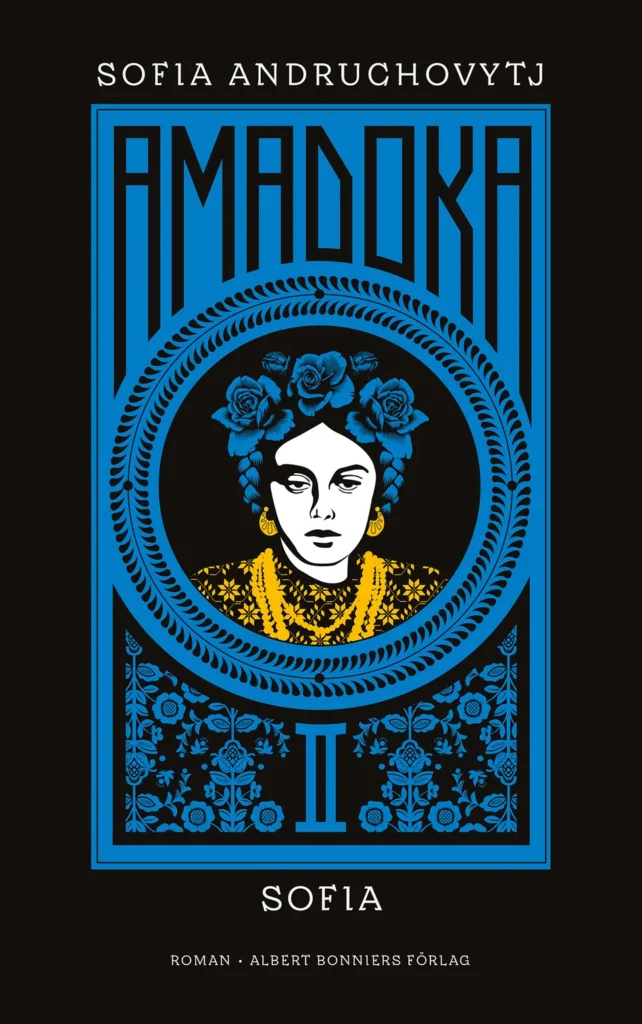
At least since Donna Haraway’s Staying with the Trouble, the concept of kinship understood beyond familial ties has gained traction and has been discussed in terms of its productive (ameliorative) and non-reproductive (communal) forms. Yet it may also be traced in the legitimisation of imperial domination. My attempt to challenge…
Continue ReadingLines that Refuse to Hold: Revisualising Metaphors of Margin and Centre
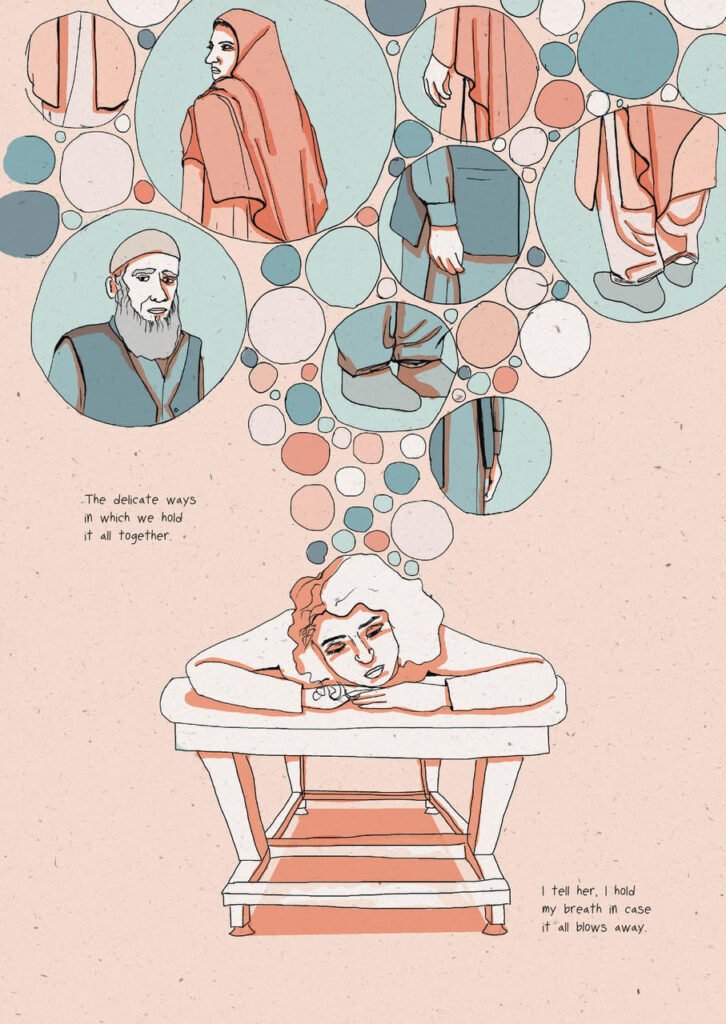
While migration has always been at the very heart of human civilisation, the last century has seen a noticeable shift in the way we understand its realities and imagine the very shape of our world. In recent decades, the phenomenon of postcolonial migration has offered itself up to productive theorisations,…
Continue ReadingExtending the Maternal Circle: Creole Motherhood and the Unmaking of Britishness in Wonderful Adventures of Mrs Seacole in Many Lands (1857)
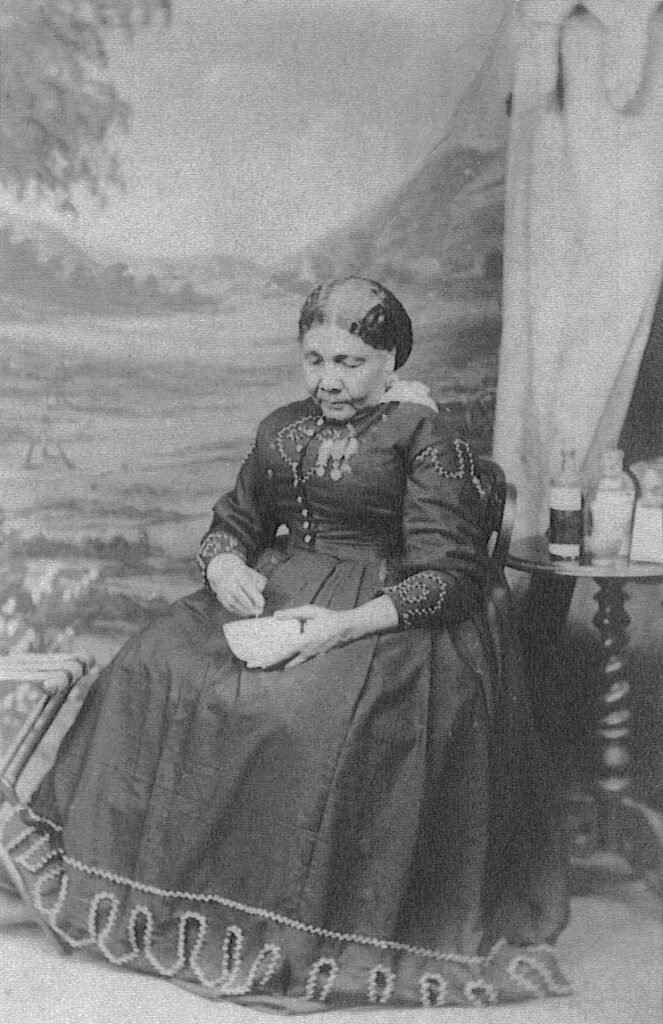
During her account of the Crimean conflict, Seacole takes on the role of a surrogate mother to the English soldiers under her charge, becoming known as “Mother Seacole” or simply “mother” (84, 127) among the English troops. Through this maternal framing, Seacole extends racial boundaries, by metaphorically extending her own…
Continue ReadingWriting out of an Absence: Formal Hauntings in Bernadine Evaristo’s Girl, Woman, Other
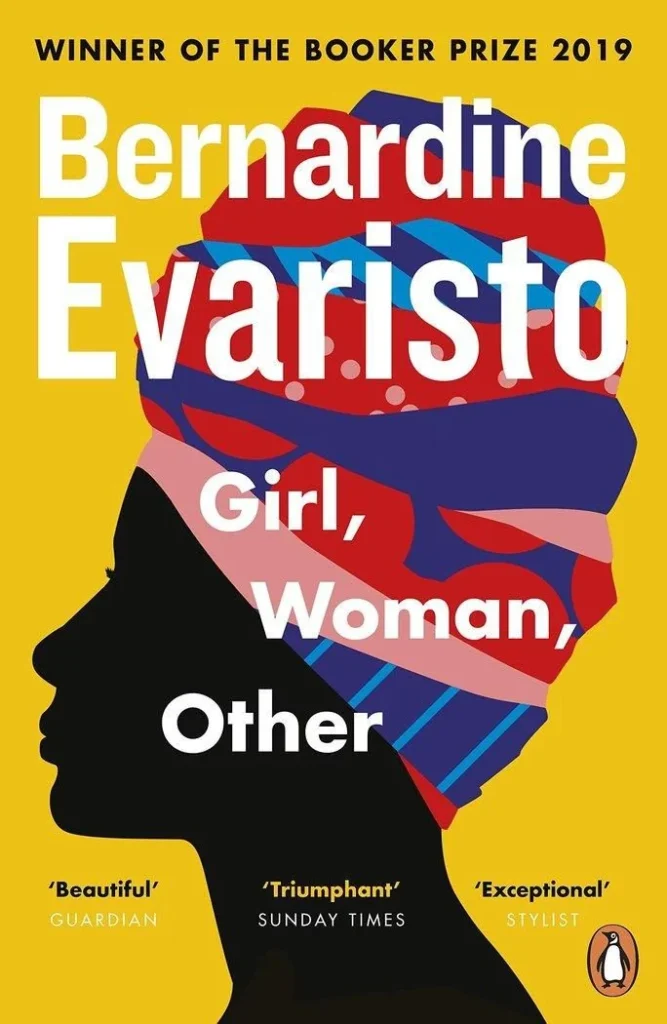
Writing about who has been silenced is one of the defining features of Bernadine Evaristo’s Girl, Woman, Other (2019) which co-won the Booker Prize in 2019. This essay explores elements such as the polyphony of voices, writing from a usually not narrated perspective and formal features such as the use…
Continue Reading